Music education does more than teach children how to read notes or play an instrument. It builds discipline, sharpens memory, and fosters creativity in ways that few other subjects can. Research consistently shows that students who engage with music at school perform better across a range of academic areas, from maths to literacy. Yet, despite this evidence, music remains one of the most underfunded and undervalued subjects on the curriculum.
The cognitive benefits of learning music
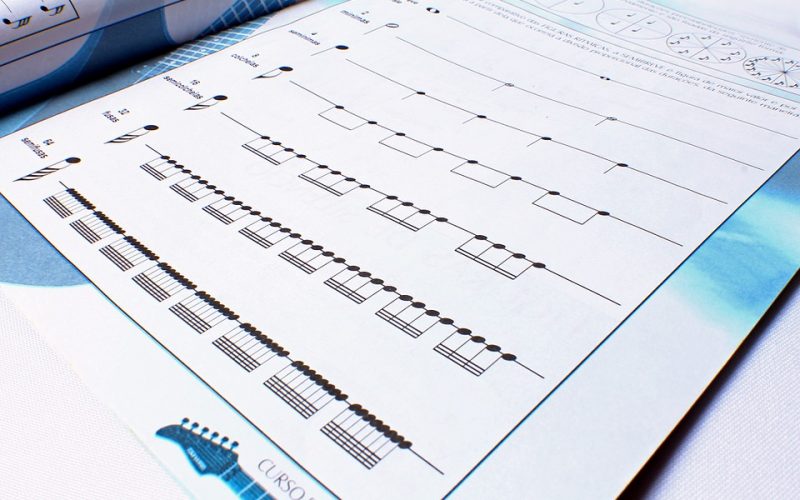
When a child learns to play an instrument or sing in a choir, their brain is working overtime. Reading music requires pattern recognition, hand-eye coordination, and the ability to process multiple streams of information at once. Studies have found that musical training strengthens the connections between auditory and motor regions of the brain, which supports language development and reading ability. For younger students in particular, early exposure to music can have a lasting impact on how they learn.
Music as a tool for emotional development
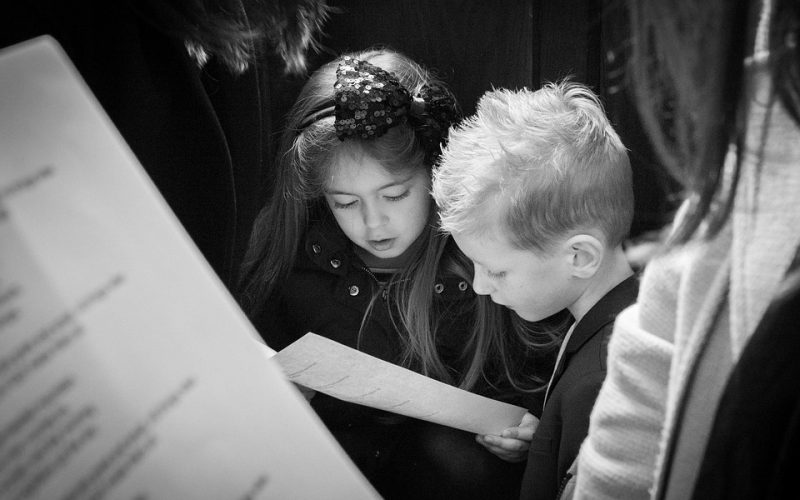
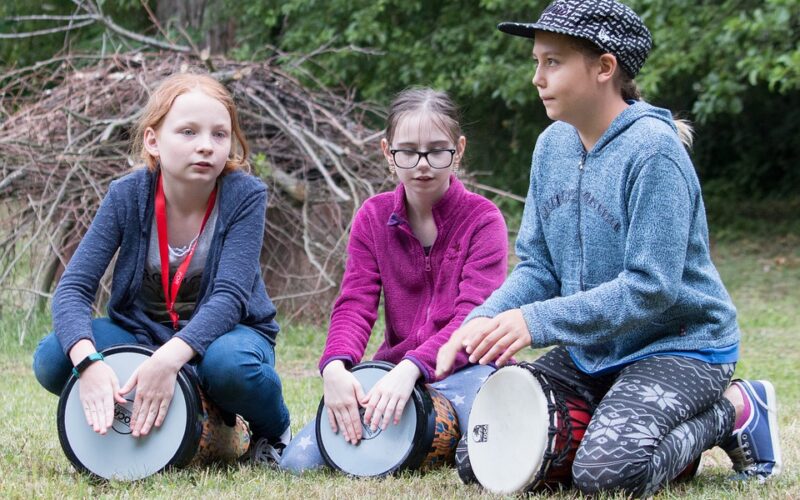
Beyond the academic benefits, music gives students a safe space to express emotions they may not yet have the words to articulate. Group performance builds confidence and teaches children how to collaborate, listen, and respond to others. For students who struggle in more traditional classroom settings, music can be transformative — offering a sense of achievement and belonging that other subjects sometimes fail to provide.
Challenges facing music teachers
Teaching music in schools is not without its difficulties. Budget cuts have led many institutions to reduce lesson time, lay off specialist teachers, or remove music programmes altogether. In state schools especially, the gap between what is offered and what students actually need continues to widen. Teachers are often left to work with outdated instruments, limited resources, and timetables that treat music as an afterthought rather than an essential part of the curriculum.
How schools can better support music education
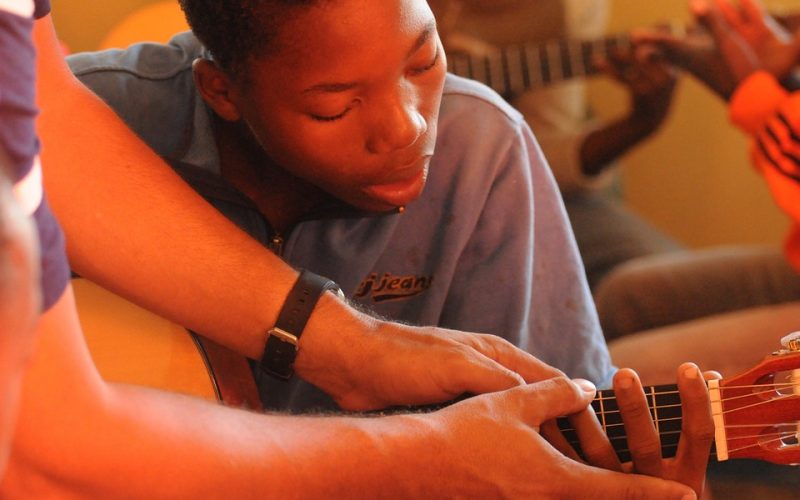
There are practical steps schools can take to give music the attention it deserves. Investing in instrument hire schemes makes learning accessible to students from lower-income households, removing one of the biggest barriers to participation. Timetabling regular, dedicated music lessons — rather than squeezing them into free periods — signals to students that the subject holds real value. Partnerships with local orchestras, community musicians, and arts organisations can also bring fresh energy and expertise into the classroom.
The role of technology in modern music teaching
Technology has opened up new possibilities for music educators. Digital audio workstations, music composition apps, and online tutorials allow students to explore sound and creativity even without access to traditional instruments. These tools can be particularly useful in schools with limited budgets, providing an affordable way to keep music education active and relevant. That said, technology works best as a complement to, rather than a replacement for, hands-on musical experience.
Making music education a priority
The case for music in schools is well established, yet action remains slow. Policymakers, school leaders, and parents all have a role to play in ensuring that music is protected and properly resourced. A generation that grows up without meaningful access to music education loses more than just the ability to play an instrument — it loses a vital outlet for creativity, connection, and self-expression. Getting this right is not a luxury; it is a responsibility.